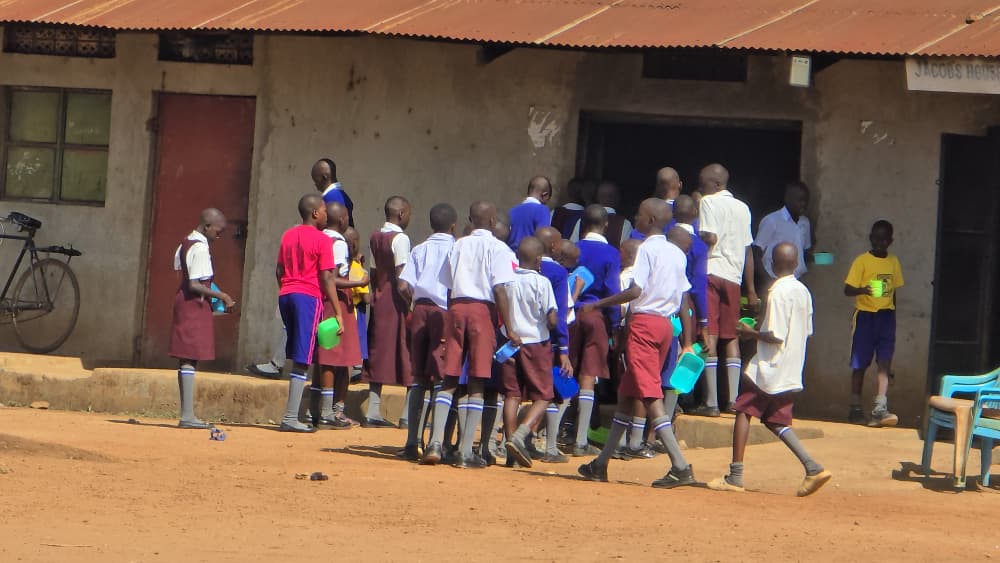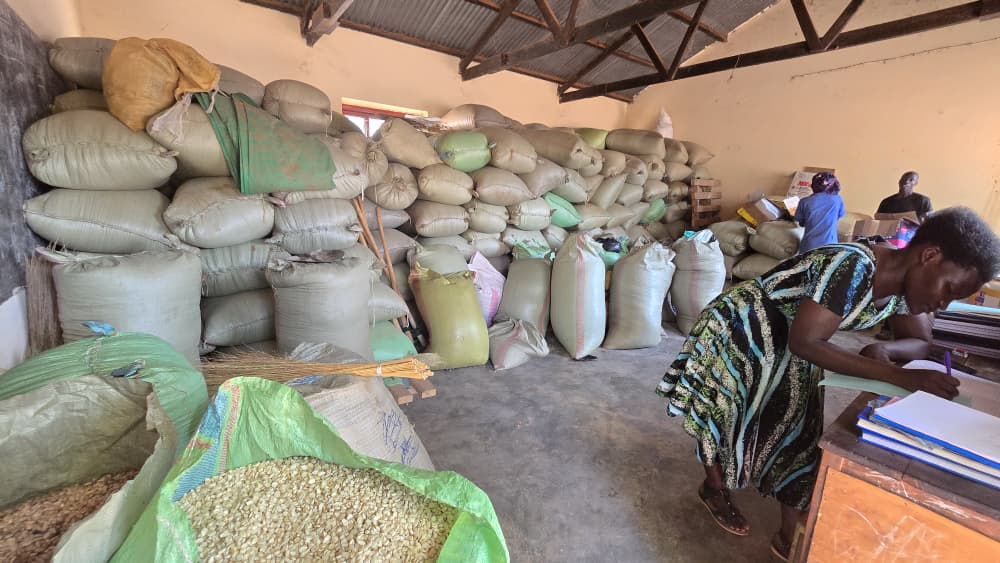
Schools across the Lango sub-region are increasingly sourcing beans and firewood from western Uganda as local shortages disrupt feeding programmes, drive up operational costs, and raise concerns over the region’s declining food security.
Once considered one of northern Uganda’s food baskets, Lango has traditionally supplied grains and legumes to other parts of the country.
But education leaders now say feeding learners has become a logistical and financial challenge, with long-distance procurement, shifting farming patterns, and rising costs.
At Mentor Senior Secondary School in Lira City, Headteacher John Agustus Okware emphasized careful planning to ensure learners never miss meals.
“As far as Mentor is concerned, we have not been affected because we plan early. We stock food once every term and make sure the stores have enough to feed learners throughout the term and even have surplus,” he said.
Okware noted that some supplies, particularly beans, now come from western Uganda.
“Yes, some of our suppliers, especially for beans, come all the way from western Uganda. Because we know the problem, we make sure we handle it in time so that by the time students arrive, food is already in the stores,” he explained, adding that rising transport and sourcing costs are now part of school planning.
At Adyel Primary School, which has run a feeding programme for more than 20 years, head teacher Isaac Otoa highlighted the impact of meals on attendance and academic performance.
“Learners who stay on empty stomachs cannot learn properly, especially in the afternoon. Because they eat at school, they remain active in class and their academic performance has improved,” he said.
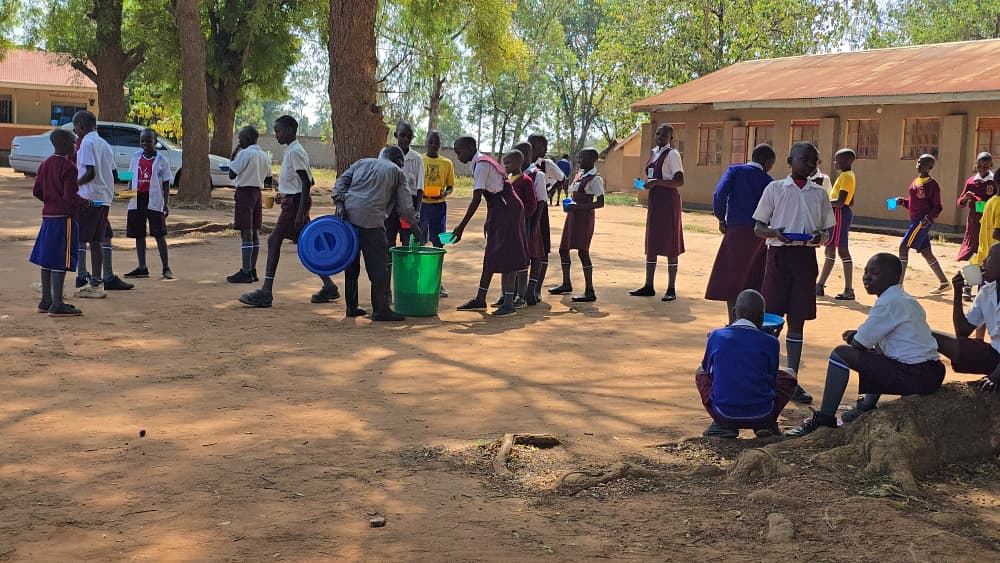
Otoa also cited challenges with firewood shortages, which have forced the school to adopt energy-saving stoves.
“Firewood is now hard to get. Cooking on open fires consumes too much firewood,” he said, adding that parental contributions sometimes arrive late or in poor quality, complicating planning.
District leaders link the shortages to broader agricultural and environmental changes. Alebtong District Chairperson David Kennedy Odongo noted that declining bean production reflects shifts in farming practices, climate change, soil degradation, and overuse of agrochemicals.
“The mindset of farmers has changed. Many are now growing hybrid maize, which grows almost anywhere, and this has affected food production patterns,” he said.
Odongo warned that relying on imported food could pose long-term risks for Lango, a region that once fed much of northern Uganda.
“If this trend continues, in 10 to 20 years we may face serious food shortages,” he cautioned, stressing that school feeding improves enrolment, completion rates, and learner health.
He also called for stronger government intervention, noting that under Uganda’s Education Act of 2008, responsibility for school feeding has largely rested with parents and guardians.
Following Uganda’s subscription to the Global School Meals Coalition in 2023, the Ministry of Education and Sports announced plans to integrate school feeding into the 2025/2026 national budget, initially targeting primary schools.
Education stakeholders say government support could ease pressure on families and schools while improving learner retention and academic performance across the Lango sub-region.